The Ultimate Guide to Inspecting Your Roof After a Major Storm: Step-by-Step Tips
What Can You Check Safely From the Ground?
The moments after a major storm passes through Round Rock and Central Texas can leave homeowners anxious about the condition of their roofs. Texas spring and summer storms bring intense wind, large hail, and heavy rainfall that can compromise even the most durable roofing systems. The first priority after any severe weather event is safety. Before stepping outside, ensure the storm has completely passed and there are no downed power lines or structural hazards in your immediate vicinity.
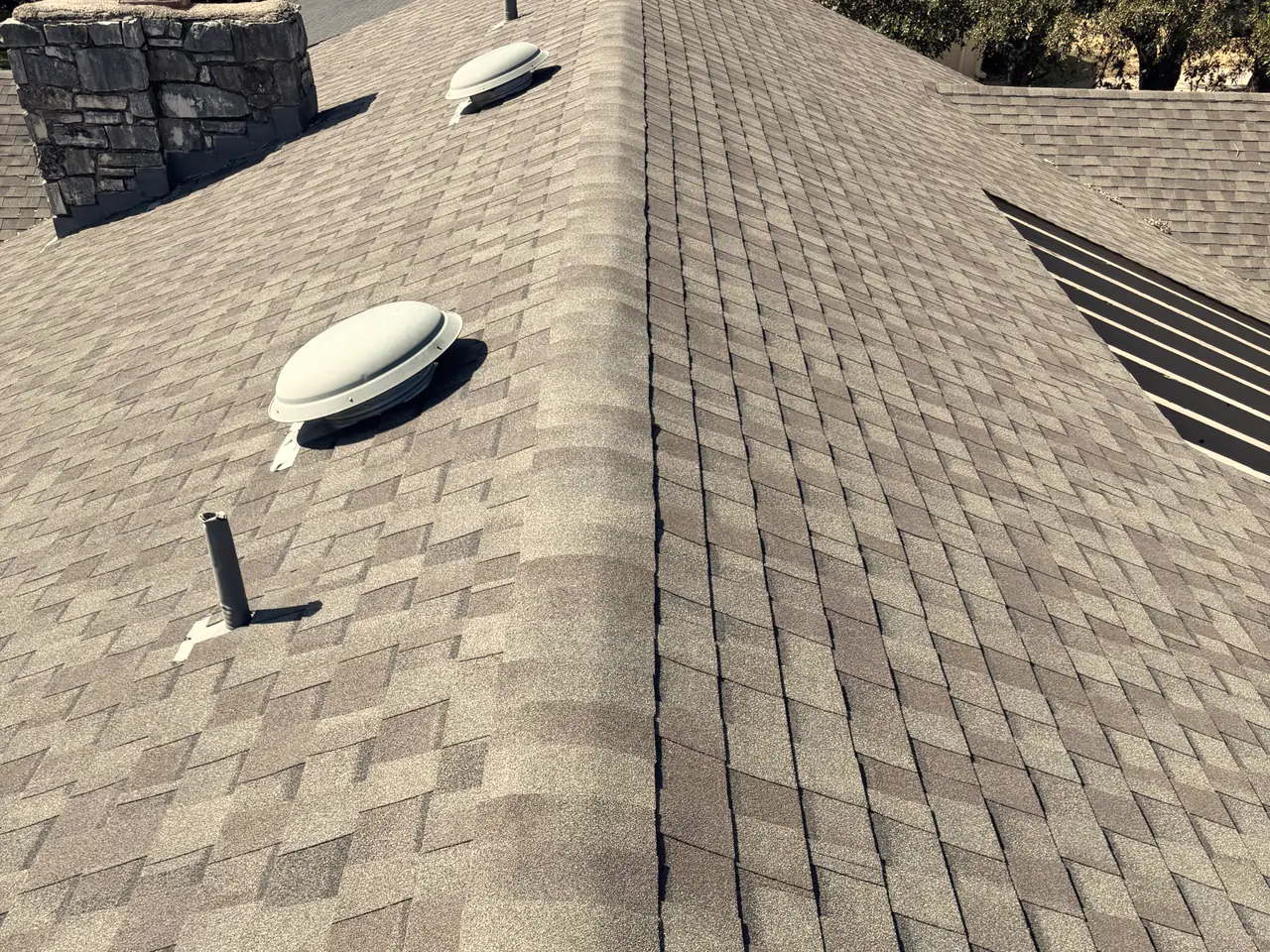
Begin your inspection from the ground. Walk the perimeter of your home and look upward at the roofline. Scan for obvious signs of damage: missing or displaced shingles, visible tears in roofing material, or debris lodged in valleys and along edges. Check your gutters and downspouts for dents, detachment, or overflow that indicates blockage. In Round Rock’s storm season, which peaks from April through June, high winds can tear away flashing around chimneys and vents, so pay close attention to these vulnerable transition points.
Take photos from multiple angles. Document every area of concern with your smartphone, capturing wide shots that show context and close-ups that reveal specific damage. This visual record will become invaluable when filing roof insurance claims or consulting with a roofing contractor about necessary repairs. Never climb onto your roof immediately after a storm. Wet surfaces, hidden structural damage, and lingering wind gusts create serious fall hazards. A ground-level assessment provides critical information without unnecessary risk.
Systematic Walkthrough: Interior and Attic Inspection
After completing your exterior ground inspection, move indoors to check for signs of water intrusion or structural compromise. Start in the upper floors and work systematically through each room. Look at ceilings for water stains, discoloration, or sagging drywall. Check corners where walls meet ceilings, as these junctions often reveal the first signs of leaks. Run your hand along window frames and examine walls beneath windows for dampness or soft spots that indicate water penetration.
The attic provides the clearest view of your roof’s underside and reveals damage that may not yet be visible from living spaces. If you have safe attic access, climb up with a flashlight during daylight hours. Look for streaks of light penetrating through the roof decking, which indicate holes or gaps. Examine insulation for wet spots or compression, and check rafters and decking for moisture, dark staining, or a musty odor. Central Texas humidity can accelerate mold growth after water intrusion, so time is critical.
Inspect attic ventilation components carefully. Storms can damage or dislodge ridge vents, soffit vents, and gable vents, reducing airflow and trapping moisture. Poor attic ventilation installation or storm damage to existing systems will compound any roof damage repair needs. Trace the path of any water stains you find back toward their source; water often travels along rafters before dripping, so the visible damage may be several feet from the actual breach.
Document everything you observe with photos and written notes. Record the location, size, and severity of each issue. This methodical approach ensures you provide complete information to your insurance adjuster and helps a roofer deliver an accurate assessment when you schedule a formal inspection.
Identifying Common Storm Damage Patterns
Understanding the specific types of damage caused by different storm elements helps you conduct a more effective inspection. Wind damage typically manifests as lifted, creased, or missing shingles. High winds during Central Texas storms can exceed 60 miles per hour, creating uplift forces that break the seal between shingle layers or tear material away entirely. Look for shingles that appear bent or curled, especially along roof edges and ridges where wind forces concentrate.
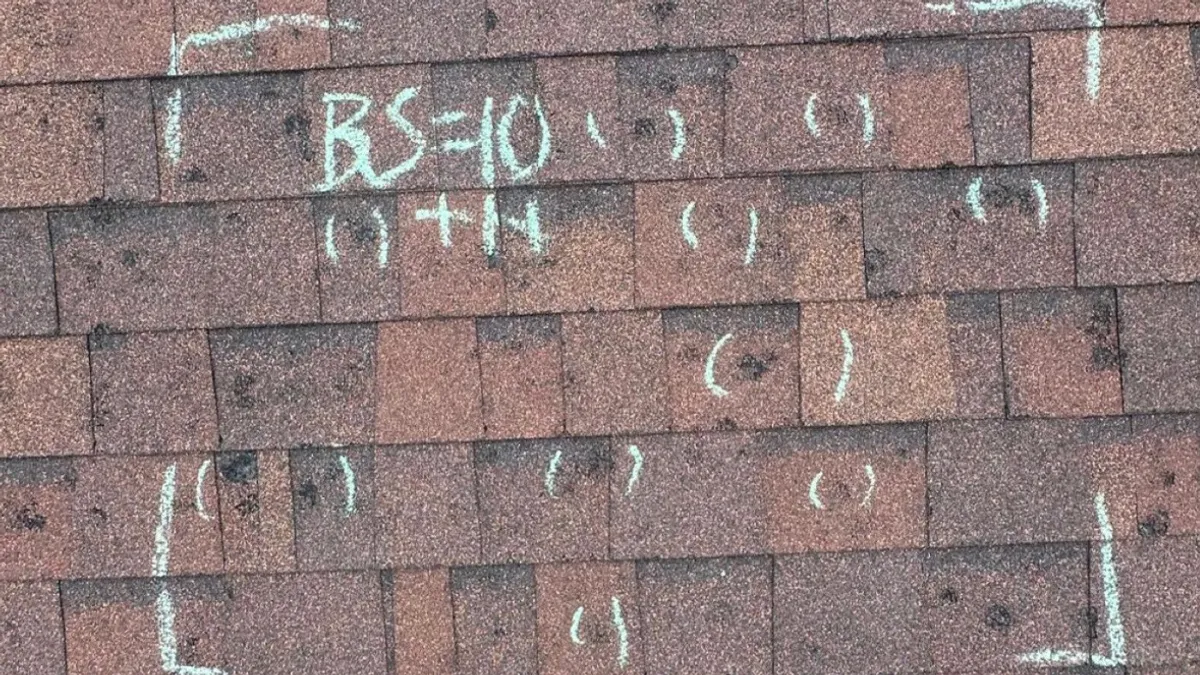
Hail damage presents differently depending on the size and density of the hailstones. Small hail may bruise shingles, creating subtle depressions that compromise the protective granule layer without immediately causing leaks. Larger hail, common in severe Texas thunderstorms, can crack or puncture shingles outright. Inspect for random patterns of dark spots where granules have been knocked away, exposing the underlying asphalt mat. Check metal components like flashing, vents, and gutters for dents, which confirm hail impact even if shingle damage is less obvious.
Water intrusion often results from combined wind and rain. When wind-driven rain pushes water underneath shingles or through compromised flashing, it bypasses normal drainage paths. Look for water stains that follow unusual patterns or appear in areas far from typical leak points like valleys or penetrations. Pooling water on low-slope sections or in clogged gutters can saturate roofing materials and cause delayed damage that worsens over days.
Debris impact is another common storm damage pattern. Tree limbs, patio furniture, or material from neighboring properties can strike your roof during high winds. Search for punctures, crushed sections, or areas where the impact has displaced multiple shingles. Even if the debris has blown away, the damage pattern will remain visible. Thorough storm damage repair requires identifying all affected areas, not just the most obvious ones, so take time to examine the entire roof surface from every accessible vantage point.
Prevention and Ongoing Maintenance for Long-Term Protection
Once you have completed your inspection and documented all findings, your next decision is whether to file an insurance claim. Review your homeowner’s insurance policy to understand your deductible, coverage limits, and any exclusions related to storm damage. If the repair cost estimate exceeds your deductible by a meaningful margin, filing a claim makes financial sense. Contact your insurance company promptly; most policies require timely notification of damage, and delays can complicate the claims process.
When the adjuster schedules a visit, share all the photos and notes you compiled during your inspection. Walk them through each area of concern, pointing out both obvious damage and subtler issues you discovered in the attic or interior spaces. Insurance adjusters appreciate organized documentation and may be more thorough in their own assessment when you demonstrate diligence. If your claim involves significant roof repair services or a full replacement, consider having a local roofer present during the adjuster’s visit to provide a second opinion and ensure nothing is overlooked.
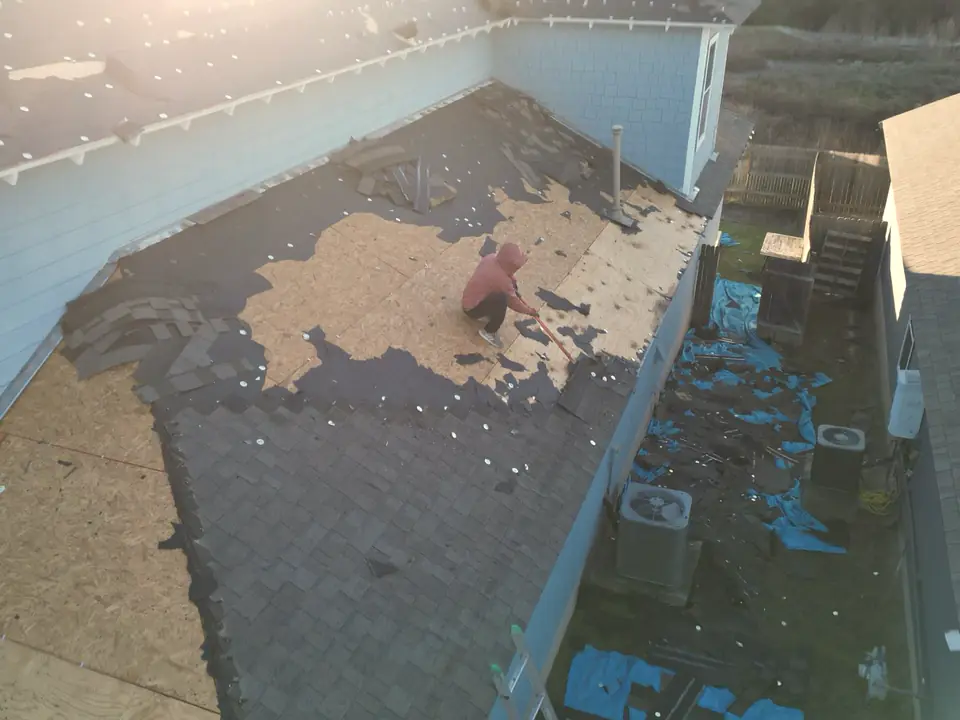
Not all storm damage requires immediate emergency intervention, but some situations demand urgent action. If you have active leaks, missing shingles that expose roof decking, or structural compromise, arrange for temporary repairs to prevent further water intrusion and interior damage. Tarping damaged sections or securing loose materials protects your home while you finalize repair plans. Round Rock’s unpredictable weather means another storm could arrive before permanent repairs are completed, so temporary measures are a wise investment.
Choosing the right contractor for roof damage repair is critical. Look for local roofers with a track record in Central Texas, familiarity with regional building codes, and experience handling insurance work. A qualified roofer will provide a detailed written estimate, explain the scope of work clearly, and give you the documentation your insurance company asks for. Avoid contractors who pressure you to sign immediately or offer to waive your deductible, as these practices often signal substandard work or fraudulent intent.
If your inspection reveals only minor issues or you are unsure whether damage is storm-related or simply age-related wear, schedule a professional roof inspection. A thorough evaluation by an experienced roofer provides clarity, helps you prioritize repairs, and gives you accurate information to make informed decisions about your roof’s future. Taking the time to assess damage correctly and choose quality roof replacement services when necessary protects both your home and your investment for years to come.
Long-Term Roof Care in Central Texas
After addressing immediate storm damage, the best strategy is to implement a proactive maintenance plan that reduces future vulnerability. Regular roof inspections every six months, ideally in early spring before severe weather season and again in late fall, allow you to catch minor issues before they escalate. In Round Rock and the surrounding Central Texas region, seasonal timing matters. Inspect before April when hail and wind activity typically increases, and again in October after the summer heat has passed.
During routine inspections, clear debris from valleys and gutters, as accumulated leaves and branches trap moisture and accelerate deterioration. Check flashing around chimneys, skylights, and vents for signs of separation or rust. Look for granule loss on shingles, which indicates aging and reduced weather resistance. In our climate, UV exposure during long Texas summers weakens roofing materials over time, making consistent monitoring essential.
Keep a digital record of each inspection with dated photos and notes. This documentation helps track changes over time and provides valuable evidence if you need to file future insurance claims. When you notice curling shingles, cracked sealant, or loose fasteners, schedule repairs promptly rather than waiting for the next storm to reveal larger problems.
If you prefer guidance or lack the time for regular checks, consider scheduling annual or bi-annual inspections with a qualified roofer who can spot subtle warning signs and recommend preventive measures. Maintaining your roof between storms protects your investment and gives you confidence when severe weather approaches. For homeowners throughout Round Rock, Georgetown, Cedar Park, and the broader service area, establishing a maintenance routine now means fewer emergency repairs later. Contact us to discuss inspection schedules or maintenance programs tailored to Central Texas weather patterns.