The Real Cost of Roof Replacement in Round Rock, TX
What Do Roofing Materials Cost?
When planning a roof replacement, material selection represents one of the most significant cost drivers. The materials you choose directly impact not only the upfront investment but also the lifespan and performance of your new roof.
Asphalt shingles remain the most common choice for homeowners in Central Texas, available as three-tab or architectural shingles. These shingles offer a balance of affordability and durability, typically lasting 20 to 30 years depending on quality and local climate conditions. In our region, the intense summer sun and occasional hail storms make impact-resistant shingles a worthwhile upgrade that adds to material costs.
Metal roofing has gained popularity throughout Round Rock and the surrounding Hill Country due to its exceptional durability and energy efficiency. Though the initial investment is higher, metal roofs can last 40 to 70 years and reflect solar heat, reducing cooling costs during our lengthy summer months when temperatures regularly exceed 95 degrees.
Tile roofing, whether concrete or clay, represents the premium end of the spectrum. These materials thrive in Central Texas conditions, offering superior wind resistance and thermal mass that helps moderate indoor temperatures. Spanish-style clay tiles, particularly popular in the San Antonio and Fredericksburg areas, can endure for 50 to 100 years when properly maintained.
Beyond the primary roofing surface, underlayment adds to material costs, and the amount depends on whether you select standard felt or synthetic options. Quality underlayment is essential in our climate, providing critical protection during the intense afternoon thunderstorms that roll through between May and September. Additional components like drip edge, flashing, ridge caps, and ventilation materials add to total material costs depending on roof complexity.
Decoding Labor Expenses
Labor typically accounts for a large share of your total roof replacement investment, making it essential to understand how these costs are structured. Most roofing contractors price labor by the square (100 square feet), with rates varying based on material complexity, roof accessibility, and local market conditions.
For standard asphalt shingle installation, labor covers tear-off of existing materials, preparation of the deck, installation of new underlayment and shingles, flashing work, and cleanup.
Metal roofing installation requires specialized skills and commands higher labor rates. The precision required for standing seam panels, proper fastening techniques, and custom flashing details justifies this premium. Similarly, tile installation demands experienced crews familiar with proper battening, mortar application, and weight distribution.
Several factors influence labor pricing in our market. Roof pitch significantly affects labor time and safety requirements. Roofs with a 6/12 pitch or steeper require additional safety equipment and move more slowly, increasing labor costs. In neighborhoods like Georgetown and Cedar Park, where many homes feature steep architectural roofs and complex hip designs, this factor substantially impacts final pricing.
Accessibility also matters. Homes with limited driveway access, landscaping obstacles, or multiple stories require additional labor for material handling. During peak season from September through November, when cooler temperatures make outdoor work more comfortable and homeowners rush to complete projects before winter, labor rates may increase due to high demand. Many contractors in the Waco and Temple areas schedule projects months in advance during this period.
The crew size and timeline affect efficiency. A standard residential roof replacement typically takes two to four days with a crew of four to six workers. Rushed timelines or projects requiring weekend or after-hours work command premium rates.
Hidden Costs and Additional Factors
Beyond materials and basic labor, several additional cost factors can significantly impact your total investment in roof replacement services. Understanding these elements helps you budget accurately and avoid surprise expenses.
Removal and disposal of existing roofing materials adds to your project cost. In Central Texas, many homes still have multiple layers of shingles from previous overlays, which modern building codes no longer permit. Removing two or three layers increases disposal costs and labor time. Landfill fees in the Austin metro area have risen steadily, and some contractors charge separately for hauling, particularly for heavier materials like tile or slate.
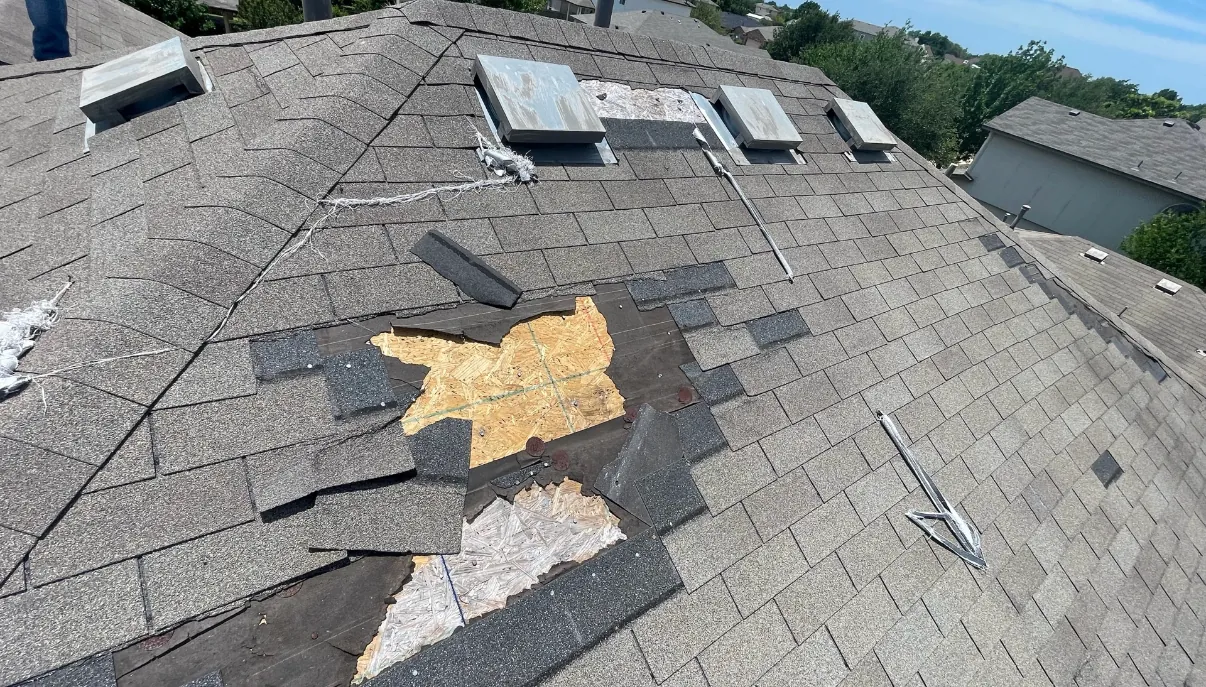
Structural repairs represent one of the most variable cost factors. When contractors remove old materials, they often discover damaged decking from moisture intrusion or inadequate ventilation. Homes in areas like San Marcos and Liberty Hill, where oak trees provide beautiful shade but trap moisture and drop acidic leaves, frequently require more extensive deck repairs than homes in open subdivisions.
Roof complexity multiplies both material and labor costs. Homes with multiple valleys, dormers, skylights, chimneys, or steep pitches require additional flashing, cutting, and custom fitting. Each penetration adds to the project cost. The popular Hill Country architectural style, common throughout Fredericksburg and Dripping Springs, often features complex rooflines that can increase costs compared to simple gable designs.
Ventilation upgrades are frequently necessary to meet current building codes and protect your investment. Proper attic ventilation installation extends shingle life and reduces cooling costs. The cost of adding ridge vents, soffit vents, or powered attic fans depends on the system. Given our climate, where attic temperatures can exceed 150 degrees in July and August, adequate ventilation is not optional but essential for roof longevity.
Permits and inspections add to your project cost in most Central Texas municipalities. While this seems like a minor expense, proper permitting protects you by ensuring work meets code requirements and maintains your home’s insurance coverage.
Navigating Costs with Financing and Insurance
Understanding your total investment is only half the equation. Knowing how to finance the project and leverage insurance coverage can make a necessary roof replacement more manageable.
Many homeowners find that financing options make larger investments more accessible. Some contractors partner with financing companies offering promotional periods with deferred interest, though reading the terms carefully is crucial as deferred interest can be charged retroactively if the balance is not paid within the promotional window.
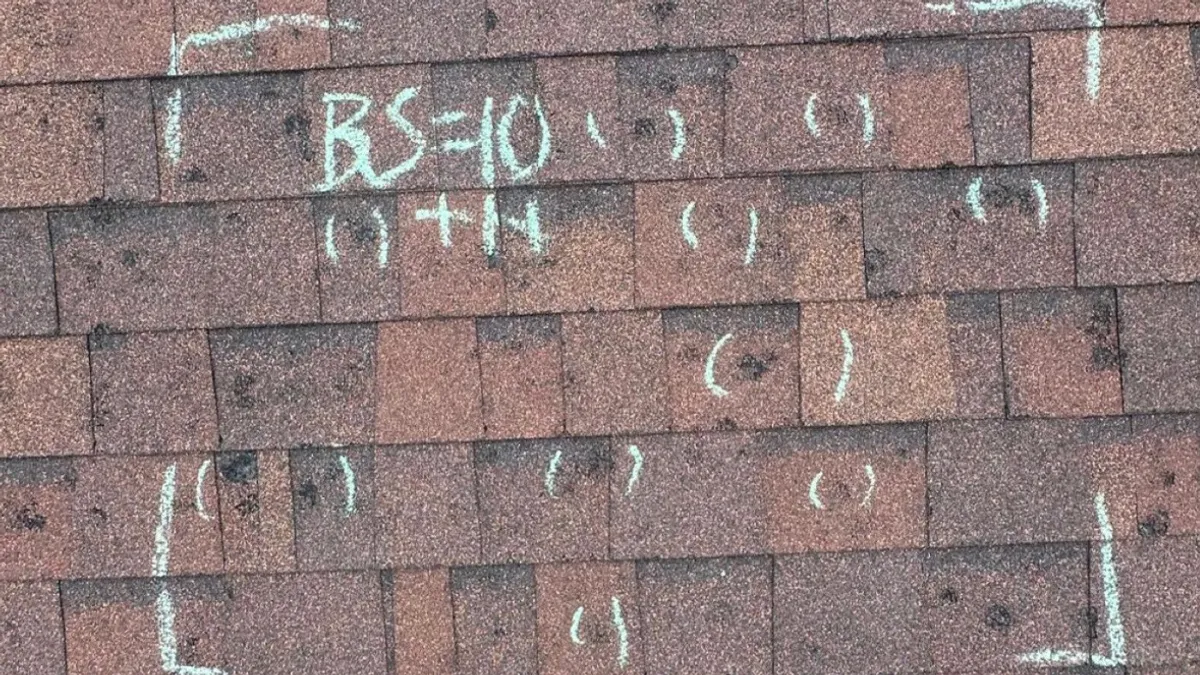
Insurance claims can substantially offset roof replacement costs when damage results from covered perils like hail or wind. Central Texas experiences significant hail activity, particularly along the I-35 corridor from Waco through Austin to San Antonio. After major storm events, filing a claim promptly is essential, as insurance companies typically require notification within one year of damage. Your deductible represents your out-of-pocket expense, with insurance covering the remainder of approved costs.
Working with contractors experienced in roof insurance claims streamlines the process significantly. These contractors document damage thoroughly, so the full extent of it is on record when you file. Some insurance companies initially approve only partial repairs, requiring supplemental claims for hidden damages discovered during tear-off. In our area, wind-driven rain during spring and summer thunderstorms often causes more extensive damage than initially visible, making thorough documentation critical.
The timing of your roof replacement affects both cost and necessity. If your roof is 15 to 20 years old and showing signs of wear like curling shingles, granule loss, or multiple leaks, full replacement typically makes more financial sense than ongoing roof repair services. Repeated repairs can quickly approach the cost of replacement while providing only temporary solutions. Additionally, aging roofs are more vulnerable to damage during our severe weather season, potentially leading to interior damage that costs far more to remediate than a proactive replacement.
For homes with roofs under ten years old experiencing isolated issues, targeted repairs often represent the better value. However, any home with active leaks should be assessed promptly, as water intrusion damages insulation, ceiling materials, and even structural framing when left unaddressed. The high humidity we experience during summer months accelerates mold growth, turning a simple leak into a health hazard within weeks.
When you are ready to move forward with your project, obtaining multiple detailed estimates helps ensure fair pricing. Quality estimates itemize materials, labor, and additional services separately, allowing meaningful comparisons. The lowest bid is not always the best value. Verify that estimates include comparable materials, warranty coverage, and scope of work. Contractors who offer thorough inspections, transparent pricing, and clear communication about potential additional costs provide the foundation for successful projects.
Making Your Roof Replacement Investment Work for You
Roof replacement costs in Round Rock and the surrounding Central Texas region reflect unique local market conditions that differ meaningfully from national averages. The combination of intense summer heat, occasional severe weather events, and steady population growth creates specific pricing dynamics that homeowners should understand when budgeting.
The Central Texas climate places extraordinary demands on roofing systems. Summer temperatures routinely exceed 100 degrees, and the intense UV exposure accelerates material degradation faster than in cooler climates. This environmental reality influences both material selection and replacement frequency. Many homeowners in the Austin and San Antonio corridors find that asphalt shingle roofs require replacement after 15 to 18 years rather than the 20 to 25 years often cited for milder regions. Metal roofing has gained considerable traction in the area precisely because it handles extreme heat more effectively and lasts significantly longer.
Seasonal demand patterns directly affect pricing and availability throughout the year. Spring and fall represent peak seasons for roof installation services, as homeowners rush to complete projects before summer heat or potential winter storms. During these high-demand periods, labor costs can increase, and project timelines extend as contractors manage full schedules. Conversely, scheduling work during the slower summer months sometimes yields modest cost savings, though working conditions become more challenging.
The region’s rapid growth also shapes the local market. The influx of new residents across Round Rock, Georgetown, Cedar Park, and Liberty Hill has increased demand for both new construction and aging home renovations. This steady growth supports a competitive contractor market, which generally benefits homeowners through reasonable pricing. However, after major storm events, demand can temporarily outpace supply, leading to longer wait times and occasionally inflated quotes from less established providers.
Local building codes and homeowner association requirements add another layer of cost consideration. Many Central Texas communities maintain specific aesthetic standards or wind-resistance requirements that influence material choices. Understanding these local regulations before starting your project prevents costly mid-project adjustments and ensures your investment meets all necessary standards.